


Denver is a magical place to visit in the wintertime. It's the perfect basecamp where you can experience the city’s amenities while taking day trips to the mountains for the best of both worlds.
Denver is the cultural capital of the Rocky Mountain region, while the mountains offer world-class winter sports. Imagine staying at a boutique hotel (check hotel deals), going skiing one day, snowmobiling the next, dining at a Michelin-recognized restaurant, getting inspired by a blockbuster museum exhibition, and hearing live music at a famous venue.
Whether you’re planning a short trip or longer vacation, spending some time in Denver before you head up to the mountains is a great way to acclimatize and gear up. You can also tack on days after your mountain trip to kick back and enjoy Denver’s big-city amenities. There are plenty of winter adventures for those who don't ski.
Use this guide to learn about Denver's winter weather, find out what to pack, how to acclimatize, where to rent gear and how to reach the mountains via rental car or public transportation options.
Table of Contents
At a Glance
Back to Top of ListWinter season: During the day, it tends to be warm and mild through November and into December in Denver, but you might see brief snowstorms here and there. In the mountains, some ski resorts are open in October, but most of the big mountain resorts are open by late November. They close for the season in mid-April, while some, like Loveland and Arapahoe Basin, may stay open until May or June. As the spring flowers blossom in the valley, locals will be wearing shorts while others are still skiing in the High Country.
Coldest months: Typically, January and February are the coldest in Denver. December can be more unpredictable. People in the Denver metro area do play golf year-round.
What to pack: Dress in layers because the weather can change rapidly, and it can feel much warmer in the afternoon sun. Sunscreen, sunglasses and lip balm are mandatory because there's less UV protection the higher you go, especially when you're on snow in the mountains. Snowstorms in Denver are infrequent compared to the mountains, but it's a good idea to bring shoes with solid traction. Also bring a refillable water bottle or pick up a souvenir in town.
Denver Winter Weather
Back to Top of List
Dairy Block
October is shoulder season in Denver, where the fall colors are on full display, the air is crisp and the temperatures are warm, mostly in the 70s. In the mountains, it's a different story. Winter weather takes over and some ski resorts like Arapahoe Basin and Loveland Ski Area start opening toward the end of the month. Nine out of the 10 highest resorts in the country are in Colorado and the ski season can extend at these aforementioned resorts until May or June. The other resorts typically close in April.
As the snowpack builds in the mountains, down in the valley you can experience a variety of weather into December, which makes things fun and interesting. No two days are truly alike. Locals know to dress in layers. January and February are the coldest months.
People even play golf year-round throughout the Denver metro area, where the balls fly a lot farther in the thin air. You’ll feel like a pro! No matter the month, you can count on lots of sunshine. The occasional snowstorms are typically short-lived and the snow melts away fast. You might find yourself back on a restaurant patio in no time.
Shoulder season begins again in late March and early April, when you might be wearing shorts as Denver turns greener while experiencing some phenomenal spring skiing in the mountains. You can also snag some last-minute hotel deals. Look for '80s parties (break out your old skinny skis) as the resorts close out the season.
How to Prepare for Denver's Elevation
Back to Top of List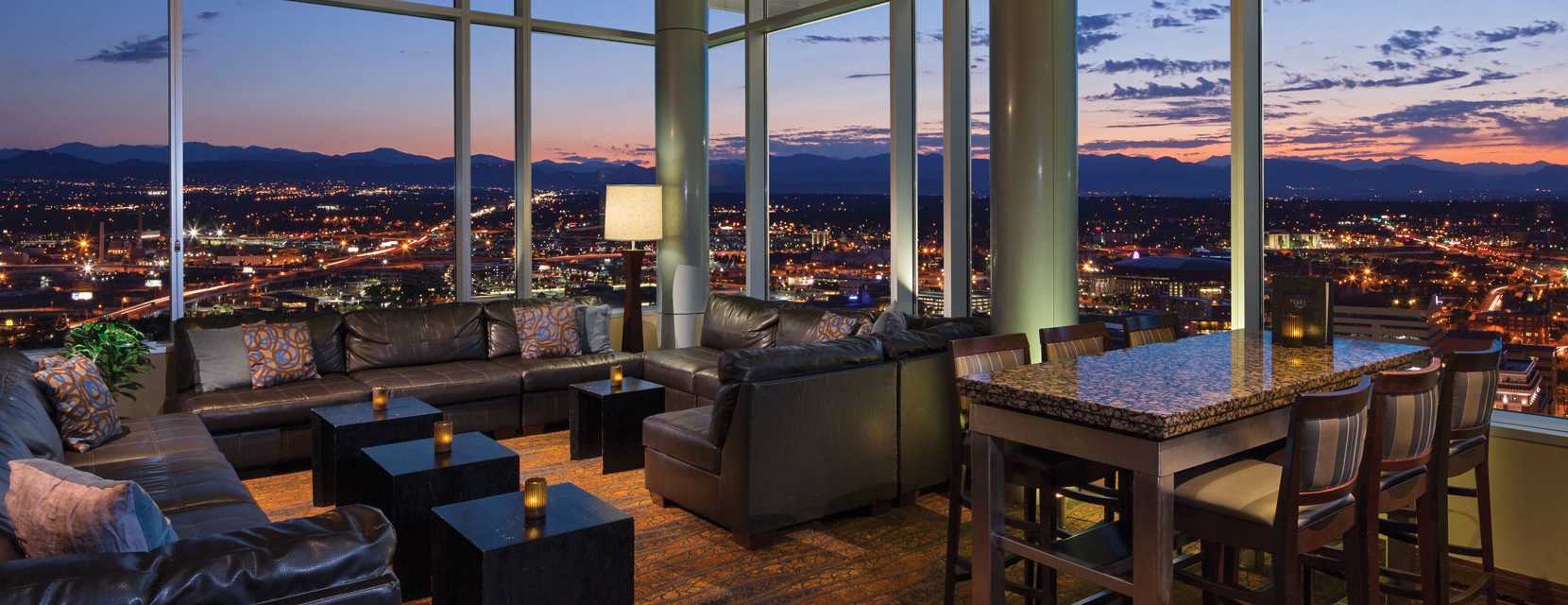
Peaks Lounge
At 5,280 feet, Denver is exactly a mile high. Proper hydration is one of the most important things you can do before venturing to higher elevations.
If you’re traveling via the airlines, humidity in the cabins can be less than 20 percent. It’s best to drink plenty of water in the days leading up to your trip and keep it flowing once you arrive so that you don’t fall behind. Besides depleting your energy, dehydration can contribute to altitude sickness. Symptoms of mild to moderate altitude sickness include: headache, nausea, vomiting, loss of appetite, fatigue, dizziness, rapid heart rate, and swelling of the face, hands or feet. If this happens to you in the mountains, simply descending to a lower elevation can help dramatically. So take it easy during the first two to three days of your trip.
Also, be careful with the alcohol. Until you are fully acclimatized, your body can't process alcohol as well and it can exacerbate dehydration. See more high-altitude tips. If you want to be exactly one mile high, check out these mile-high markers.
For some of the most breathtaking views of the Mile High City and the surrounding Rocky Mountains, head to the Peaks Lounge at the Hyatt Regency Denver. And to learn about the fascinating history of mountaineering, don't miss the American Mountaineering Museum in Golden, the only museum of its kind in the country.
Relax and Explore the City
Back to Top of List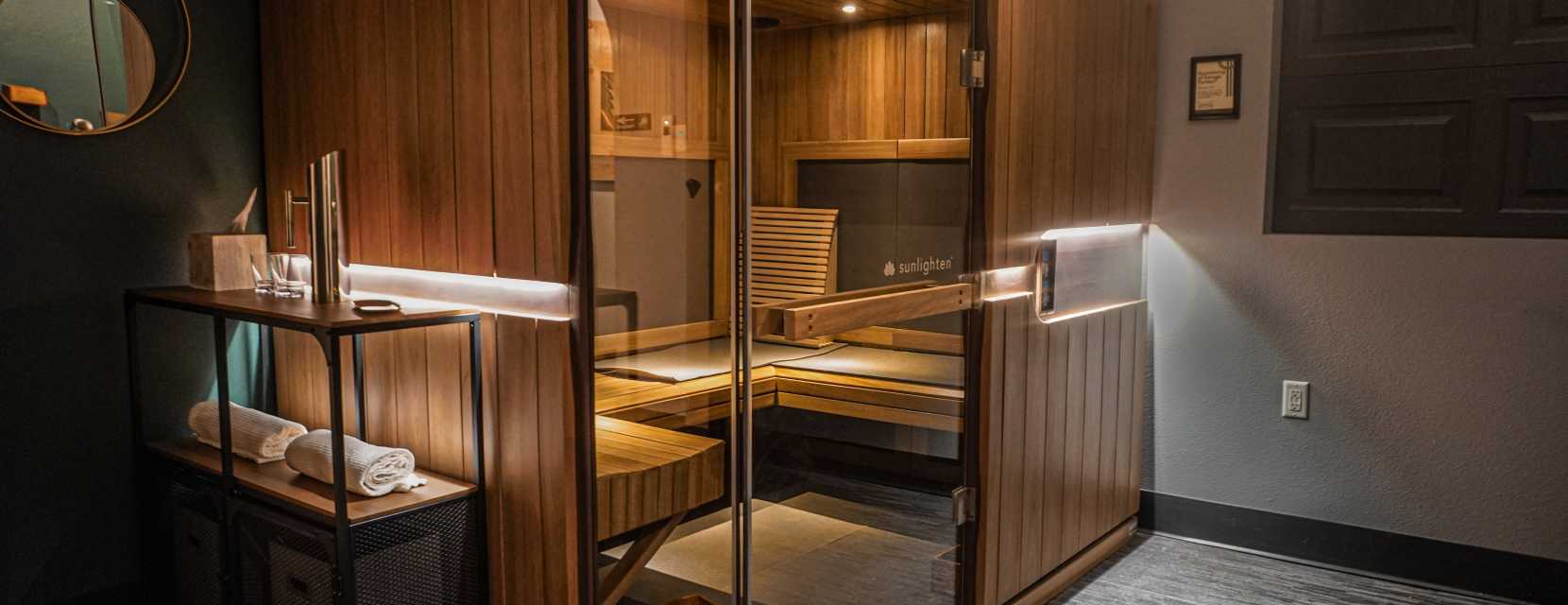
Oakwell Beer Spa
Tap into the city’s famous craft beer scene via the Denver Beer Trail, a sampling of some of the best breweries broken down by neighborhood. (As a reminder, go easy if you’re not fully hydrated and acclimatized.) Better yet, combine sipping craft beer with a spa experience at Oakwell Beer Spa. You can soak in a bubbly beer bath infused with hops, barley and seasonal herbs, then take a seat in the taproom and sample Colorado’s finest beer, wine and cider.
Denver’s dining scene keeps getting elevated with national recognition. Check out these must-try restaurants or find a warm spot at restaurants and bars with cozy fireplaces.
Also, take a stroll in the city’s vast green spaces, challenge your buddies to some indoor fun and games, have a mind-bending experience at Meow Wolf Denver's Convergence Station, and check out vivid street art all over town.
Mountain Transportation and Tours
Back to Top of List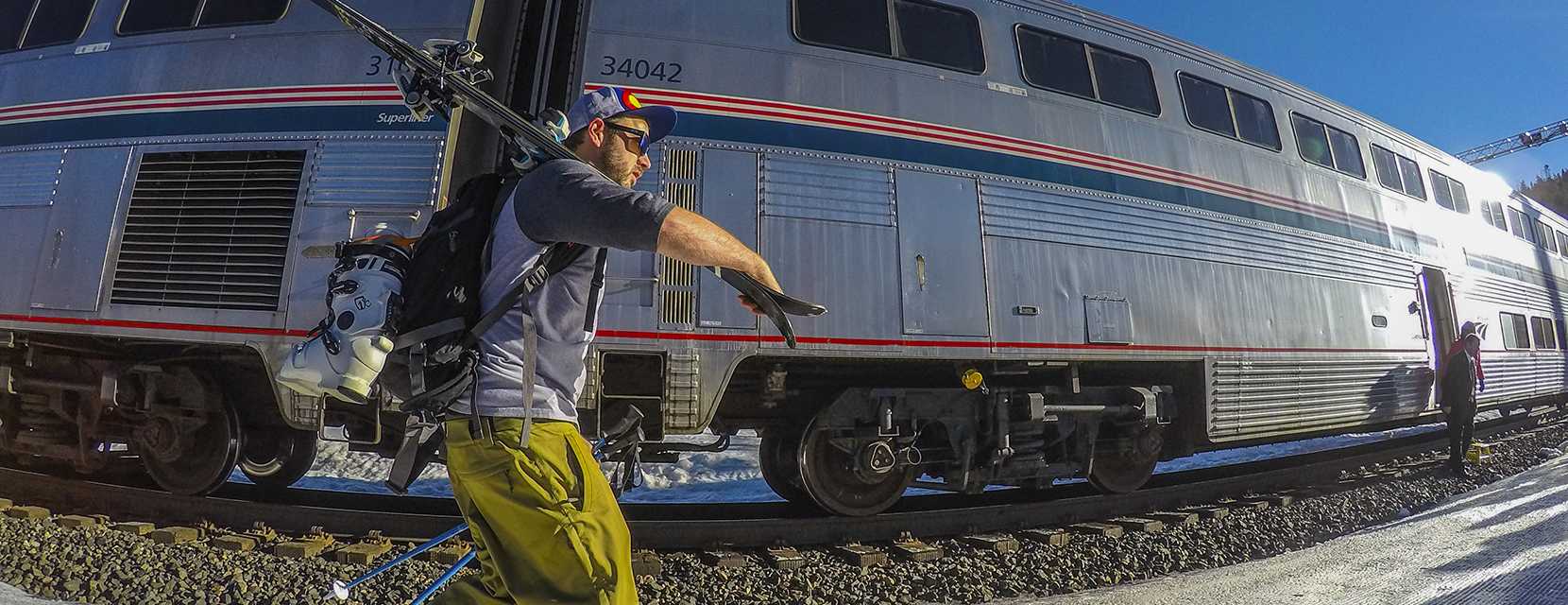
Amtrak Winter Park Express
The winter traffic heading to the mountains on weekend mornings can get heavy, so leave as early as possible. Or drive up in the afternoon or during the week.
The Amtrak Winter Park Express ski train provides the most spectacular way to get to the high country by tying together the area’s rich skiing and railroad history. It runs from Denver Union Station to Winter Park Resort on weekends, Friday through Sunday, from January to March. (Make sure you purchase tickets well ahead of time. It’s popular!) For a luxurious experience, you can stay at the Crawford Hotel right at Union Station before you depart for the mountains or you can book other nearby downtown hotels. Union Station also has a direct connection to Denver International Airport via a short ride on the airport train known as the A Line.
Another way to let someone else do the driving is to sign up with Adventure Scenic Tours of Colorado. You can stay in Denver and they will whisk you to any of the major ski resorts, help you with rental gear and bring you back to the city the same day.
The Colorado Department of Transportation runs a bus service from Denver to the resorts called Snowstang (the summer version is called Bustang). It’s an economical and eco-friendly way to get to Arapahoe Basin, Copper Mountain Resort, Loveland Ski Area, Steamboat Springs and Breckenridge Resort. The service begins at Denver Union Station and runs every Saturday and Sunday from December until May.
More Winter Adventures
Back to Top of List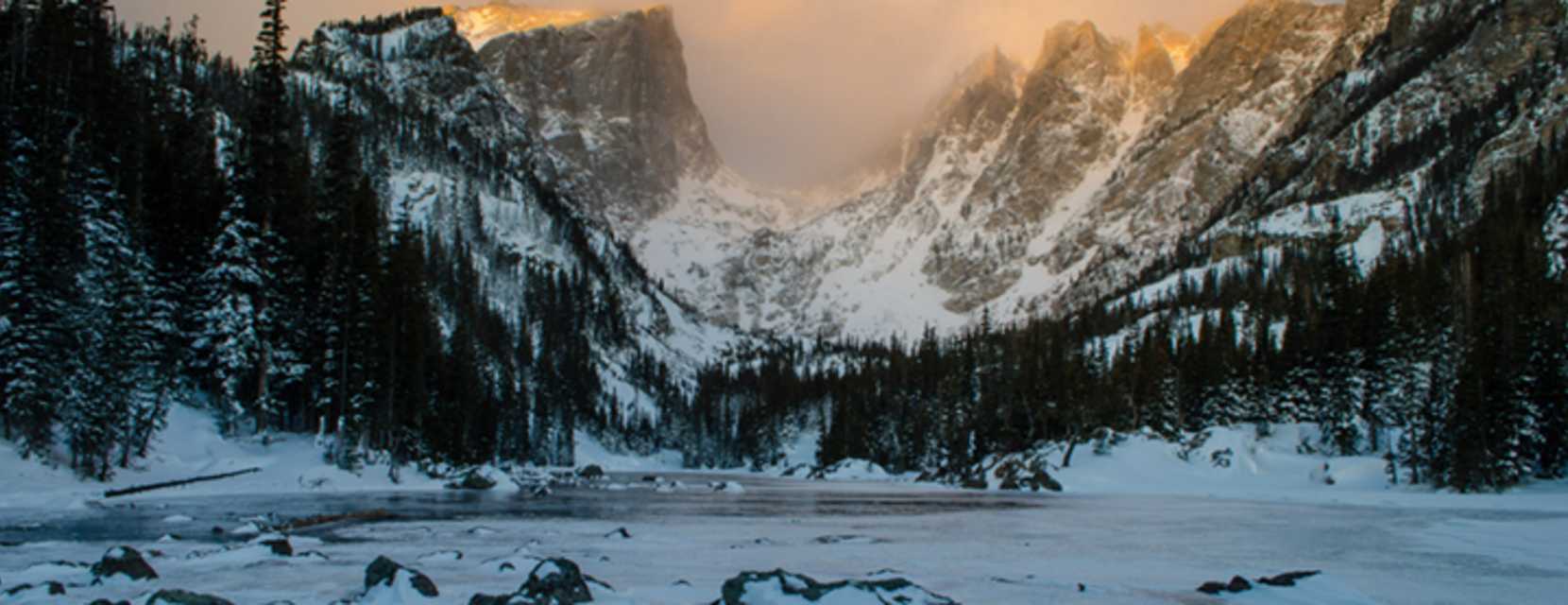
Rocky Mountain National Park
If you’ve got something left in the tank after experiencing world-class skiing and snowboarding, or you’re staying in Denver and want to experience a variety of winter sports, try these options.
Go on a cross-country skiing adventure with Aspire Tours. Also, check out Denver Adventures for full- and half-day snowshoe hikes in the Front Range. Looking for something a little longer? Let Colorado Wilderness Rides and Guides lead you on full-day snowshoeing excursions to Indian Peaks or Rocky Mountain National Park or multi-day ski tours of Colorado's famed mountain huts.
If you feel the need for speed, check out High Country Snowmobile Tours in Silverthorne or Grand Adventures Snowmobiling & ATV with three locations: Winter Park, Fraser and Grand Lake. Or take an exhilarating heated "sleigh ride" via an all-terrain vehicle thanks to Great Outdoors Adventures. They'll let you play around on snow-covered trails.
Where to Find Winter Gear in Denver
Back to Top of List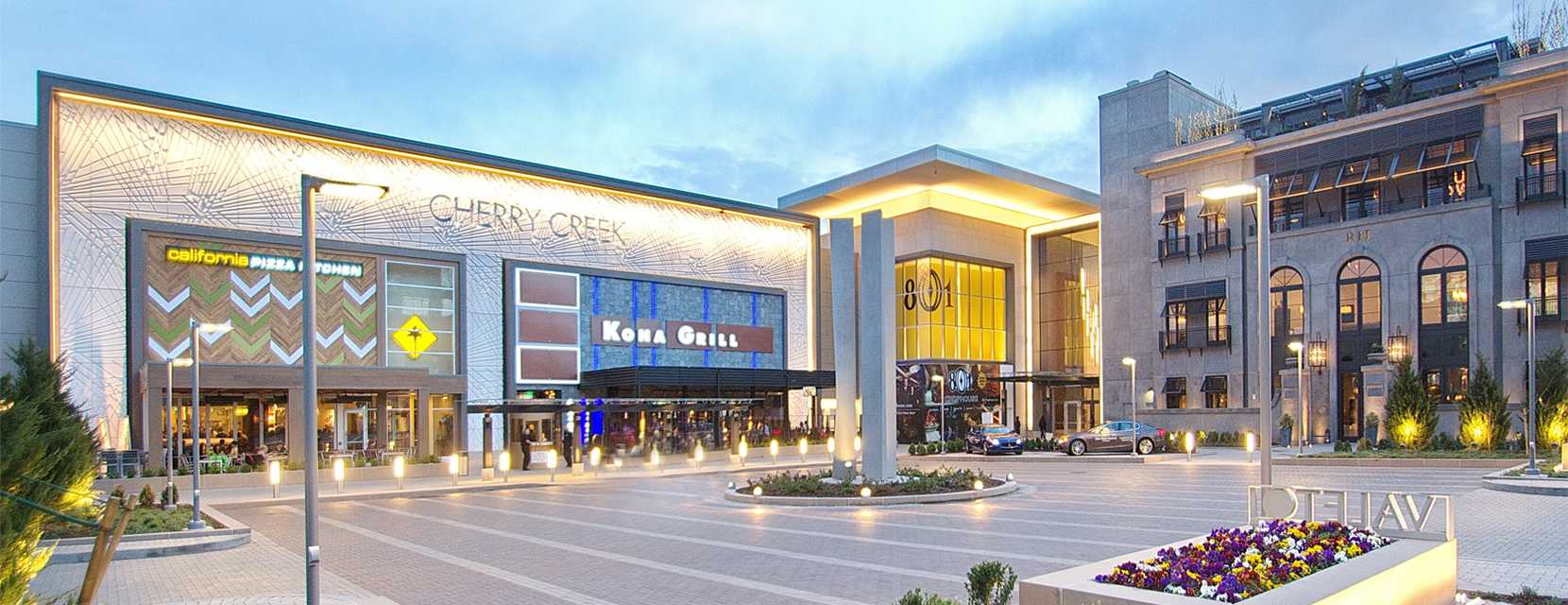
Cherry Creek Shopping Center
Denver is the perfect place to gear up. You’ll feel the outdoor vibe immediately, especially with the Rocky Mountain backdrop. There are several ski and snowboard manufacturers in the metro area, like Meier Skis with cores made from Colorado trees. They also have a rustic bar they call a Craft Skiery and offer factory tours (reservations required). Meier Skis will tune any brand of skis or snowboard.
Icelantic Skis in Golden offers a wide variety of locally made skis as well as sportswear. This climate-neutral company is also known for its support of the arts. Never Summer Snowboards in Denver has been making snowboards for more than 30 years. They also offer factory tours with reservations.
There’s no shortage of sportswear in the city. REI’s flagship store overlooking Confluence Park, where Cherry Creek and the South Platte River meet, is worth a visit just to take in the views and experience the incredibly wide selection of products inside the store. A good place to find deals on new and lightly used gear is at Feral on Tennyson Street. Throughout the city you’ll also discover retail locations for the big brands like Topo Designs in downtown; Patagonia, Burton (Denver flagship store) and Arc’teryx in the River North Art District; and The North Face at Cherry Creek Shopping Center, where Arc’teryx has another location.
While the ski resorts offer convenient ways to rent ski gear, you might find better deals, get more personalized service and have wider choices in Denver. Christy Sports has eight locations in the greater metro area. If you’ve ever had foot or shin problems, they pride themselves on being excellent boot fitters. Larson’s Ski & Sport in Wheat Ridge offers daily and even seasonal rentals. Evo near downtown Denver on Lincoln Street lets you rent or demo the latest high-performance gear, or you can choose more standard options. Even if you have your own skis, you might want to try some fatter options in the pristine powder. Other Colorado ski companies, like Liberty Skis in Avon near Vail, offer try-before-you-buy demo days at the resorts.
FAQs
Is Denver worth visiting in winter?
Absolutely! From Thanksgiving through New Year's Day, the city sparkles with millions of holiday lights. The festivities continue after the first of the year with major events like the Sundance Film Festival. Denver is located near the mountains but not in them, so snowstorms in the city are infrequent. There's lots of sunshine and spectacular mountain views in the crisp air. Even if you're not into winter sports, there are plenty of activities for those who don't ski.
Does it snow a lot in Denver?
Denver is located near the mountains, not in them. There are occasional storms, but then the sun comes back out and melts away the snow quickly. People do play golf year-round in the city. The weather can be unpredictable, though, so it's best to dress in layers.
What is the best month for a Denver winter trip?
If you're a skier or snowboarder, the mountain resorts are in full swing from November through April, while some resorts stay open longer. If you're not into winter sports, the city is especially exciting to see during Mile High Holidays, from Thanksgiving through New Year's Day. Beyond that, there are tons of concerts, festivals, pro sporting events and blockbuster museum exhibitions during the rest of the winter.
How far is Denver from the ski resorts?
There are a few resorts, like Echo Mountain, Eldora and Loveland Ski Area, that can be reached in less than an hour if there's no traffic. Most of the well-known larger mountain resorts are about one to two hours away. If you're traveling on Interstate 70, be aware that there can be heavy traffic on weekends.
Yes, for a unique experience, take a ride on the Amtrak Winter Park Express ski train that runs Denver Union Station to Winter Park Resort on weekends, Friday through Sunday, from January to March. Or, for another eco-friendly option, the Colorado Department of Transportation's Snowstang (the summer version is called Bustang) bus can take you to and from the major ski resorts. There are also several private mountain shuttle services.